Part 9: Human-Agent Co-Management (New Engineering Culture)
Part 9 of our series: "The Agentic Readiness Shift: Building for Autonomous Engineers."
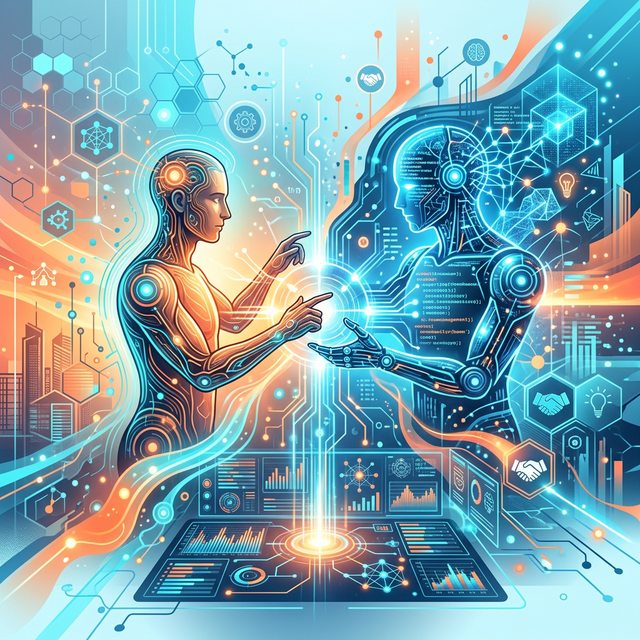
The Fragmentation Problem
Current AI tools are siloed. You talk to one agent in a web browser, another in your IDE, and maybe a third in a dedicated mobile app. Your context is scattered, and none of them talk to each other. This isn't just a UX issue; it's a management failure.
In an Agentic Team, your AI agent should be ubiquitous. It shouldn't matter if you're on your laptop, your phone, or in a team chat—the agent is always one pulse away. This is the foundation of Human-Agent Co-Management.
The Unified Gateway
We built a Unified Gatewaythat normalizes signals from different messaging platforms into a single "intent stream." Whether the trigger is a /deploy command from Telegram or an automated bug report from Slack, the core engine receives the same structured payload.
{
  "supported_channels": [
    "telegram_bot_api",
    "discord_webhooks",
    "slack_events_api",
    "bluebubbles_imessage_bridge"
  ],
  "normalization_engine": "v2. Standard"
}
A Culture of Shared Agency
The real shift isn't just technical; it's cultural. We are moving from "AI as a tool" to "AI as a team member." This means:
- Delegation: Giving agents permission to operate on critical paths.
- Review Loops: Treating agent commits with the same rigor (and respect) as human commits.
- Shared Identity: Maintaining context whether you are at your desk or answering a Slack message on your phone.
The most successful engineering teams of the next decade won't just have the best humans; they'll have the best human-agent synergy.
Read the full "The Agentic Readiness Shift" series:
- Part 1: The Agentic Wall (Context Fragmentation)
- Part 2: Beyond the Sidekick (Rise of the Agentic System)
- Part 3: The Economic Moat (Quantifying AI ROI)
- Part 4: The Neural Spine (Event-Driven Orchestration)
- Part 5: Closing the Loop (Git as a Runtime)
- Part 6: Cognitive Tiering (Multi-Headed Brain)
- Part 7: The Resilience Fortress (Designing for Disaster)
- Part 8: Observability as Intelligence (Visualizing the Unseen)
- Part 9: Human-Agent Co-Management (The Neural Reserve) ← You are here
- Part 10: Recursive Safety (Governing the Autonomous Swarm)
- Part 11: Roadmap to Autonomy (From Sandbox to Prod)
- Part 12: The Living Repository (Reflections on the Future)
- Part 13: Evolution ROI (Measuring the Infinite Value)
Join the Discussion
Have questions or want to share your AI code quality story? Drop them below. I read every comment.